Review Type: New

  • Girls & Boys

    Girls & Boys


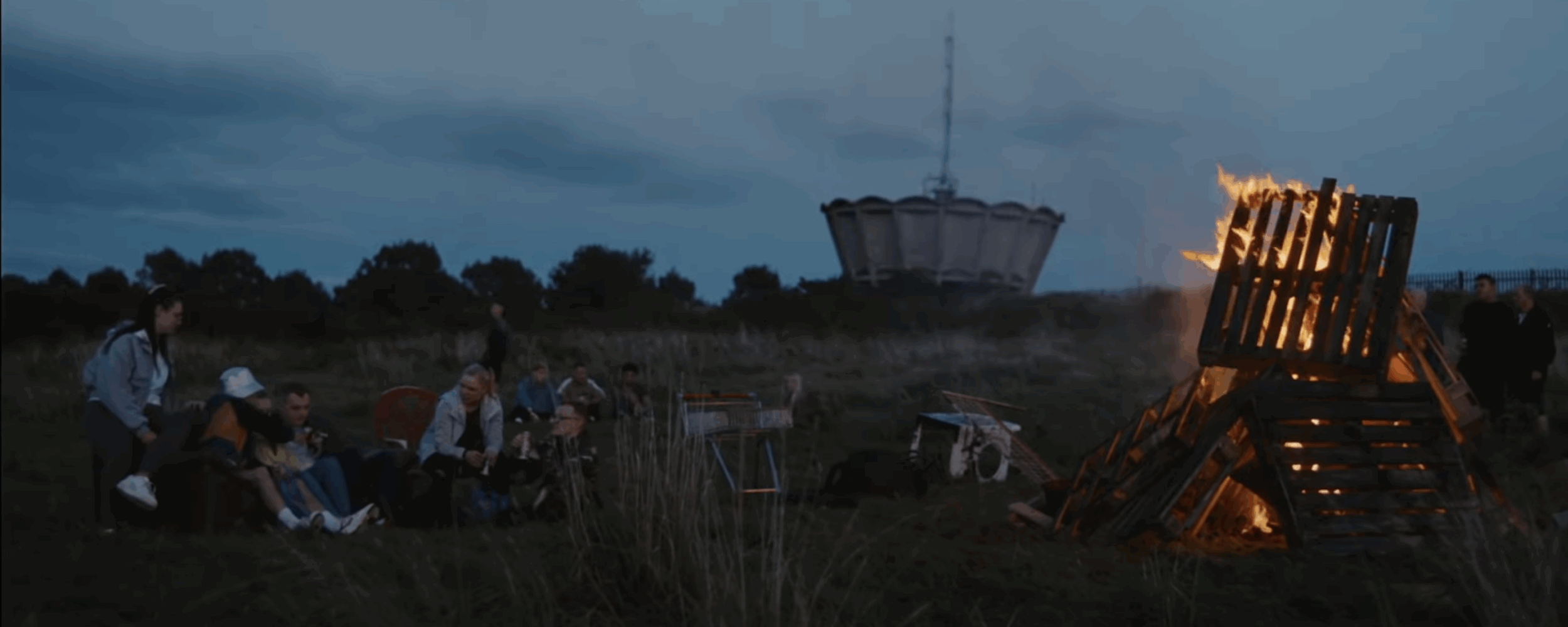
    The description of this film being this generations Before Sunset (Linklater, 2004) definitely ring true. The film concerns the story of Charlie (Liath Hannon) who is a trans woman that has moved to Dublin for college. Jace (Adam Lunnon-Collery) is the person she meets at a house party where the film goes on to show their relationship with one another and also revealing more of their own back stories.

    For an independent film that I’m sure had a very limited budget, it definitely didn’t feel this way. When there inside, it is a hostile environment for the pair where others are causing ructions in their dynamics with one another. The outside world is what prevents the pair from being happy together, and this is seen best when they are in an intimate setting. When they are outside of the house party together, this is when you certainly feel that Charlie is able to breathe and be who she wants to be. It is also where the two of them find that bond with each other that drives the rest of the film. Therefore, even if there are just minimal indoor sets and easily accessible outdoor shots, they still create this juxtaposition that plays against the inner turmoil of Charlie and the world around her.

    Charlie is studying filmmaking at Trinity college and you are shown early on a film she made that recreates cinema from the silent era. She herself has many silent era qualities to the performance in the film. Her looks and expressions were enough to tell a story in itself, where Jace’s reactions were based on something deeper than just what she was saying to him. The film itself would still be an enjoyable spectacle with the sound turned off, you understand the falling for each other and also the inner turmoil from both characters without even needing to hear what they are saying.

    It is a film clearly inspired by the art of cinema and creating a piece of art in itself. The film feels like a debut for a director getting their first foot into the industry which isn’t a downside at all. It feels fresh and of its time, most importantly by someone who feels close to the story. You get lost in the story of the characters pretty much as soon as the film starts, which is a credit to the performance of the main leads and also the way the film creates its own emotion and feeling outside of just dialogue.

    Average Rating
    No rating yet
  • Steve

    Steve


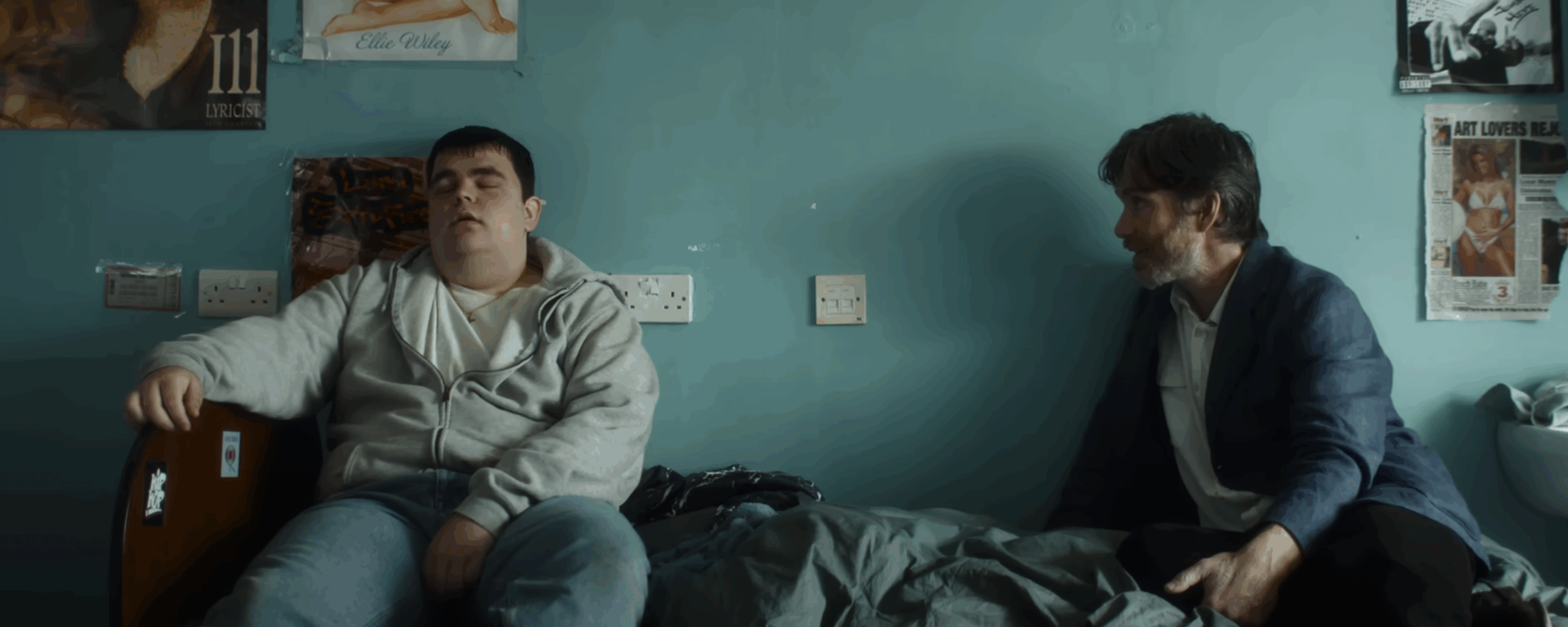
    Cillian Murphy stars as the lead in Steve (Mirlants, 2025) which is the latest British Netflix film that gets a limited release in cinemas. You feel like Netflix have their sites on a similar success to Adolesence with the film which not only is concerned with youth rage and masculinity growing up, but also uses certain editing and camera techniques to purvey this. This similarity in unique cinematography certainly is what works best for the film. It is set within 24 hours within a youth rehabilitation school where the damaged and unruly teenagers is played against the teachers trying to give them a second chance to make something of themselves. The short period of time in which it is set adds to the feeling that it really could be falling to pieces for them It is a gradual process but these 24 hours act as a microcosm to the overall decline in the school and even the rehabilitation chances for the children. The cinematography also makes the most of drone shots and obtuse angles that give a sense of the altered state in which it is set but more than anything create a great spectacle that adds to the feeling of the film rather than taking away from it.

    That’s not to say everything in the film really seems to work that well. The film is about teenagers not having a sense of belonging, yet at times it seems like an allegory for the film itself. It struggles to know totally what it wants to be, there is little chance for character development and understanding the minds of the characters when the film is constantly having to deal with narrative points like the filming of a camera crew into the school, the announcement of the closure to the school, taking of a students life and the local MP coming to visit. It could’ve explored more thoroughly the emotions of the students and teachers just by following their every day actions in the school rather than having these plot devices create these emotions for them. The times where you get a glimpse into their feelings is because a news reporter is asking them psychological questions, rather than something we feel we have gone on a journey with the characters to discover. 

    Average Rating
    No rating yet
  • Sanatorium

    Sanatorium


    As Irelands entry for next years oscars in documentary filmmaking, Sanatorium has been backed to be a success before it was even released. The documentary tells the story of therapy centre in Odessa, Ukraine; far from Ireland where it is produced but a lot closer in its weather climate. It concerns the individuals going to the retreat, hoping for healing and better wellbeing, or even just an escape from the usual landscape of the war torn country.

    This film reminds me a lot of Pavilion 6 (Dević, 2024), they are both set in former Soviet Union countries and use the backdrop of a national emergency to tell their story. Here it sets itself in a vaccine centre during the covid pandemic while the other is a retreat. They both use storytelling and altogether showing people going through their every day life as the glue that holds the films together. They show how the people adapt to the strange environment they have been placed in, but more than this show them carrying on as normal. Human spirit and community is what brings a population through crisis and this is what the films have to offer. It is also how you get a better glimpse into the life of a society in emergency through the ways people adapt in everyday life, rather than just the individuals on the frontline.

    You see the turmoil of the war torn country in the film. It is seen in the background of the retreat where black smoke fills the skies, yet the residents act as if it isn’t there. Other moments include the residents retreating to the bunker when the sirens are heard, this itself isn’t followed by a mass panic to escape but what seems to now part of every day life. What shocks and interests the audience here isn’t the conditions they live in or the situation they find themselves in, but how this new brutality for Ukrainian citizens is now incorporated in every day life for them.

    Average Rating
    No rating yet
  • The Long Walk

    The Long Walk


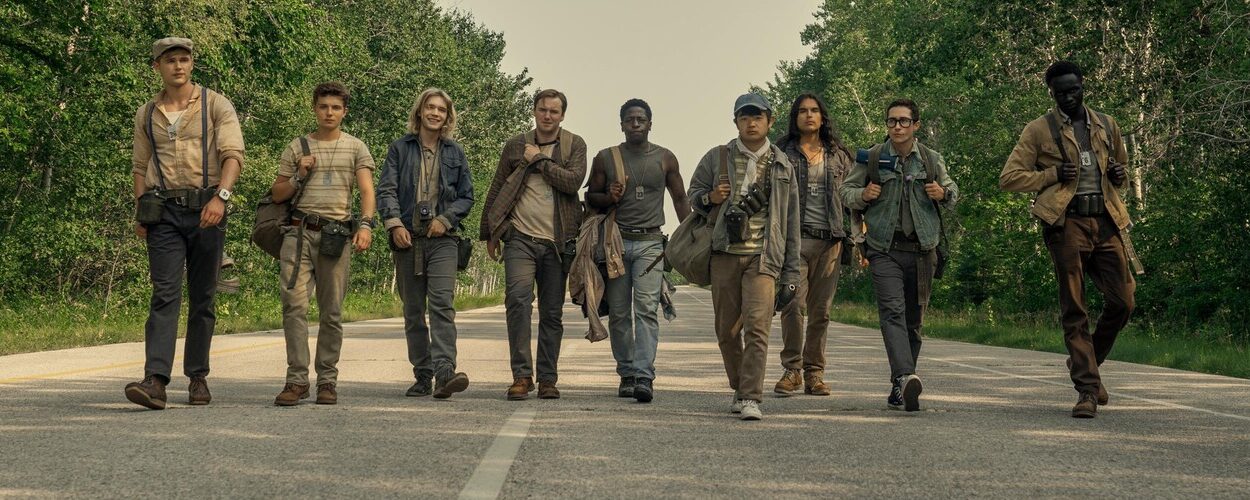
    The Long Walk (Lawrence, 2025) is the latest adaptation to be churned out of the Stephen King factory. Although interestingly this isn’t the standard horror picture you’d come to expect, yet this packs more of a visual punch.

    The film itself bases its main plot line on one concept, a large group of men competing by walking as far as they can otherwise they will be killed by the army. It is this years battle royale, where others like Squid Game or The Hunger Games have come before it. This is where the film lacks the flair it really needed. The character development and relationship between characters didn’t come naturally but felt more like the communication between the characters was to stop the audience thinking they were watching speed walking at the olympics. No one else out of the 100 people competing communicated throughout apart from those talking with the main character in Raymond (Cooper Hoffman) or found themselves at the front of the pack. For a good battle royale film to work you have to feel the distraught nature it would be like to be in their shoes, here it feels more like there having a jolly time with each other and their not going on this journey together.

    What does work is how visual the film is at times. It doesn’t shy away from showing the participants being murdered or the gruesome injuries they incur throughout the event. It manages to visualise the excessiveness that Stephen King delivers so well in his books. The film also acts as a glimpse into a dystopian world where what we learn about the environment outside of the race comes from the events that happen within it. It is a film that creates a world thats worthy of a King adaptation, yet it does still lack in the immersion needed from the characters in the film. Without the feeling of desperation your meant to share with the main protagonists, the little you care for each person falling victim of the dystopian system they are placed within.

    Average Rating
    No rating yet
  • Christy

    Christy


    Christy (Canty, 2025) is a slow-burning realist piece of drama set on the northside of Cork that is as funny as it is moving. You are introduced to the main character in Christy from the start, but takes the length of the film to get more of an understanding of his back story. His inability to find his way in the world and even a place to live and thrive, is told through these nuggets of information you get of Christy’s back story rather than being plot points in themselves.

    You follow him on a journey where there are just as many people trying to help Christy as there are those trying to exploit his vulnerabilities. The hairdresser who gives him the opportunity for work comments on this herself by saying there are many welcoming individuals in Cork as there are those who look to cause harm. This is also the case with the characters in the film who it is easy to tell where their intentions lie in terms of Christy’s future. The half-brother (Diarmuid Noyes) is the only character who muddles this distinction between good and evil for Christy where at times he’s seen to be doing good by rehoming him but later in the film you see that he quickly wants to get him back out. It shows the conflicted interested that he is placed into, he wants to help his half-brother, but at the same time he also has his own family he needs to look after. The complexity of his feelings also intertwines with the unravelling of Christy’s backstory: the more you learn about Christy, the more you realise how important they become to one another.

    This is a well made film that reflects life in Ireland in such a real way. It doesn’t denigrate an impoverished community but shows how they can come together and help those within it to find a place in society that they feel accepted. It illustrates how each individual has their own back story which can play heavy on their future, but like every coming-of-age film their is always the turning point in each young persons life. More importantly it manages to play on all of this but have many funny and endearing moments throughout. The cheekiness of the young kids who befriend Christy and the Cork community shine through where no matter what they are faced with, it is humour and humanity what brings them through.

    Average Rating
    No rating yet
  • Caught Stealing

    Caught Stealing


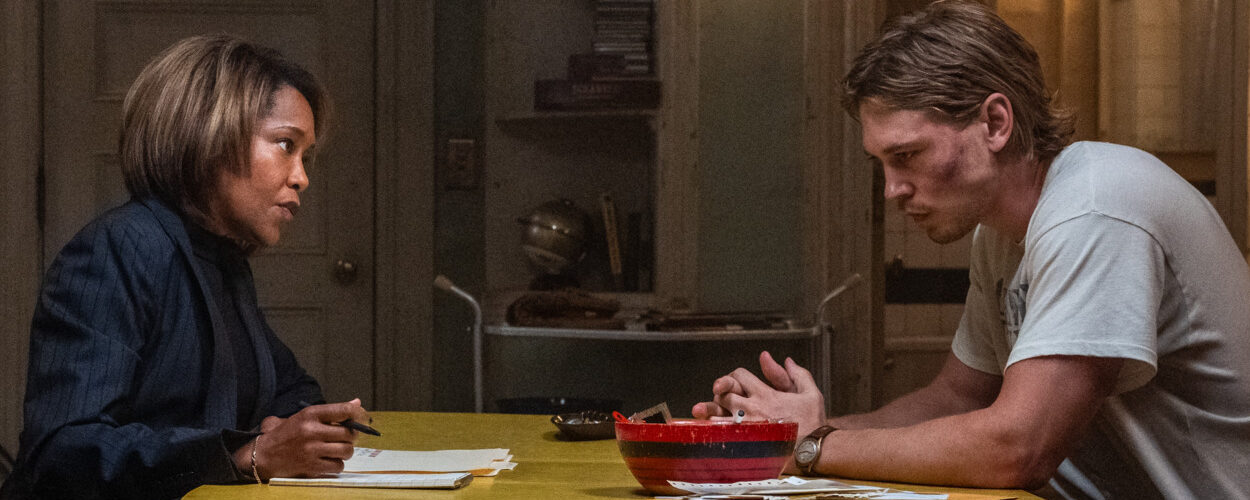
    Caught Stealing is the latest film from Darren Aronofsky. It concerns Hank (Austin Butler) who gets himself inadvertently involved in a multi-million dollar drug feud. It has been a few years since the release of The Whale from Aronofsky, and this couldn’t be further in style and many could see going back to his roots of psychological inner turmoil. The film sets itself in 1998 which is also the year of his first feature length film Pi. As I will go on to highlight, you get the feeling that if he actually made the film in 1998 it would’ve been a lot better than making it today.

    It first Darren Aronofsky film I have struggled with on first viewing so the first thing I ask myself is to what the usual successful formula for his movies is. They deal with obsession and isolated characters where through tapping into their psyche, we can gain a deeper understanding of our own existence. You see this here in Caught Stealing: it concerns a troubled character, who has his own addiction issue, it also seems to be an analogy for his own internal issues and more importantly it all descends into chaos. Its a tricky formula to get right which Aronofsky has managed in the past, whereas here it feels like he’s taken on too much. There is little cohesion between all these important elements and ends up feeling like a generic crime film.

    I haven’t read the original book but I’m sure it is a good read, like all Aronofsky films he always picks good source material. The issue here is how its being presented on the big screen. Austin Butler has more than proved himself by this point, its only been a week or so since I seen him in Eddington (Aster, 2025) which he excelled at portraying a conspiracy theorist. Here it feels like hes been cast in the wrong movie. Either the writing has let him down or its not the right role for him, but there is no scale to his inner turmoil which feels more like he wants this to happen rather than something he is trying to escape from. The only half-decent portrayal came from Matt Smith as Russ the token cockney for the film. You do feel that he really liked playing the role, even if it was just another stereotypical Londoner in New York who also calls the band IDLES, ‘The Idles’ which really wound me up.

    I enjoyed the soundtrack to the film but at the same time, I only enjoyed it because I was a fan of the music. It served its purpose by reminding us that it was set in 1998 and not the modern day but didn’t create any feeling towards what was being shown on screen. In fact it brought us closer to the modern day when you feel Aronofsky was trying to make it seem was set in a long forgotten past. It at times made out that the plot was concerned with the results of gentrification yet kept abandoning this under conceived idea. Its meant to show this pivotal point in New York history with these different characters from all walks of life playing off each other, yet it felt more like a superhero spin off where all these factions have been forced to share a storyline with one another.

    If you look at the poster for the film or the trailer full of spoilers for the whole plot of the movie, you could tell it was going to be a standard genre crime film with no surprises. The biggest surprise is when you know who directs it. The film still deserves three stars but the reason why this has been so negative is because you’d expect so much better from him. A director well known for a unique style of cinematography where close ups or the angle of shots illustrates the deeper meaning of a movie. Yet here there is none of that. Requiem For A Dream was the first film I seen of his and it felt so fresh, like nothing I’ve seen before. Caught Stealing, you could just watch the trailer than you’ve seen the whole film.

    Average Rating
    No rating yet
  • The Roses

    The Roses


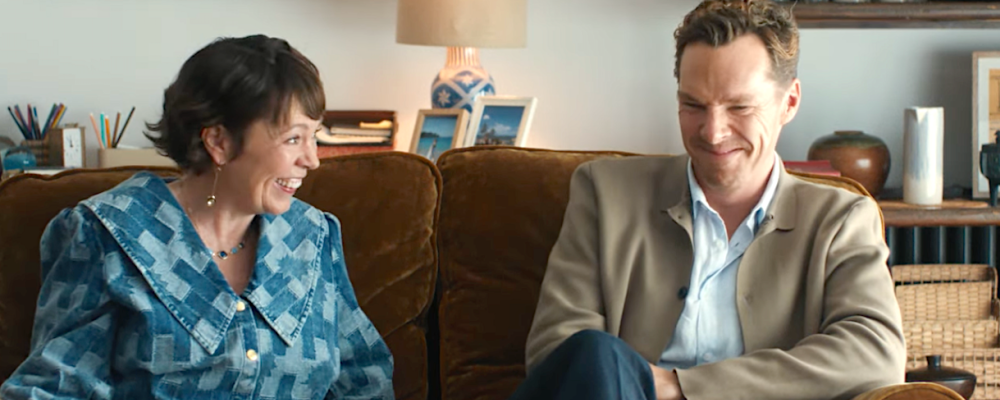
    Every director reaches the stage where their middle-aged life becomes the narrative of the movies they make. Jay Roach has seemed to reach this midlife crisis stage that reflects the story he’s decided to direct, here Benedict Cumberbatch and Olivia Coleman star as a couple attempting to stay in love when money and age don’t want the same thing from them.

    The film gets better the further it gets into it. When the main stars are free to play off each other, you feel the fractions between them like their your own parents. If anything a stage play with both of them would’ve been a better drawn out idea, the world around them seems to be what ruins it. In their young life they decide to move to the United States, and this is where it starts to feel like a US remake of an English sitcom which also includes actors from both sides of the pond. They are included for the easy one-liners and even create the tedious plot points of the story, but theres no chemistry with them and the main actors who you feel have just met on the first day of shooting. These people have no impact on the inter-dynamic relationship between the two main characters so it leads you to think they should’ve either created a plot where they were more key or just get rid of them altogether.

    It takes a while for the film to find the potential in Cumberbatch and Coleman as well. Early on the comedy comes from the least comedic set ups possible, which they then reflect on in the next scene. To give an example, Coleman names her restaurant ‘We’ve Got Crabs’. A joke so bad that it didn’t need explaining by Cumberbatch in the next scene, but for some reason this is what happens. When the film reaches the stage of being charming, maybe not quite funny but charming, is later when its just them two in a scene on their own. You feel like they’ve known each other for a lifetime, and coming from a theatre background for both of them definitely helped with this.

    You need to strip back everything to get to anything of worth here. Stature is another element that punches you in the face while the two of them whisper in your ear a joke. The characters want you to care for them as they want to be seen and loved. At the same time they are unrelatable to the every day person both in how rich they are and also the out of touch way they live their lifestyles. Of course films don’t have to be relatable to me or any person walking down the street, it just feels like a film too connected to the directors/writers background to really connect with the every day persons hardship in the face of turmoil. Jay Roach’s directing style when he was younger is more slapstick and irreverent. But now that he’s big time and middle aged, its harder to go to more realistic style of comedy that alienates a lot of its possible audience.

    Average Rating
    No rating yet
  • Eddington

    Eddington


    The film is set in 2020, one of the most hostile and uncertain periods of time in living memory, and the film deals with all of this in what seems to be the pressure cooker of Eddington, New Mexico where it is set. The backdrop is that of the coronavirus crisis where wearing masks and protecting others create the main early grudge between Sheriff Cross (Joaquin Phoenix) and Mayor Garcia (Pedro Pascal). This then becomes overshadowed when race movement and conspiracy theories start to get more of a grasp on the storyline that creates deeper ructions within their community. This in itself is a perfect potion to make a satire from, a community in turmoil where the clashing of political and ideological beliefs leaves all paranoid of each other. This is one of the main strengths of the film that it is a heightened satire which never takes sides. It doesn’t prod the audience what side to be on through narrative but allows the characters to dig their own graves and lose track with reality.

    The film follows the Taxi Driver (Scorsese, 1976) style of anti-hero. Sheriff Cross (Joaquin Phoenix) is morally inept from the start, but through the hardship that he faces you end up backing their corner by the end. The pathos we feel for him leads this charge where in what becomes the final battles, it is no longer about politics, and more about this individual on a humane level. The sheriff is also one of a few characters where you actually visualise their emotions in the film. Cinema is all about spectacle so when a character offers this in return, you of course gain more of a connection to the character. This is in comparison to Mayor Garcia (Pedro Pascal) whose role requires him to underplay any emotions, he is still a hostile individual but knows exactly how to push the Sheriffs buttons.

    The film manages to be this satire, which delivered well on the laughter. More than this it becomes a successful thriller film that subverts the audiences preconceptions from the start. Ari Aster started his directorial career making horror films, but here he creates the greatest moments of suspense that he has done throughout his career. This either comes from subverting the moments of battle to when you start to feel less tense, or through cinematography where in one of the final scenes the camera doesn’t follow the sheriff directly but pans around to empty scenery that adds to the tension.

    Making it as satirical and political as it is, it can be seen as Ari Aster’s closest film to reality to date. But the apocolypictic way in which the story decends into chaos bring the story back into the shared space along with all the other great pieces of work from his paranoid mind. It manages to descend into chaos, and create all these detestable characters, but throughout you still feel a great connection with the narrative and the redemption of feeling towards the Sheriff is something that can only be achieved in the best of anti-hero films.

    Average Rating
    No rating yet
  • Materialists

    Materialists


    Coming off the critical success of Past Lives (2023), director Celine Song creates another sophisticated romantic comedy. The notoriety has certainly hit the budget where New York is now the destination along with a-list names. Dakota Johnson (Lucy) works for a dating agency that matches singles in the market for love and marriage, but soon gets entangled in her own situation that concerns the unionship between her and the two leading actors (John and Harry).

    I use the word ‘market’ in relationship to her working for the dating agency because it very much feels like that. Its like if Wall Street (Stone, 1987) was set today: individuals competing against each other and creating wealth out of assets, instead this time the wealthy prioritise finding their perfect match. Wall Street dealt with the rise of individualistic gains, Materialists highlights how this world now has loneliness as one of its main assets. She is the Gorden Gekko at the centre of all of this. Early on she is portrayed as the all knowing character needed in competitive world of brokering where any emotion can get in the way of her work. The film also creates a distance between audience and main characters, you see what they want you to see rather than delving into a full character back story.

    The film establishes this well early on, you understand and feel part of the story within the first few scenes. One of the main contributing factors, and just like Past Lives, comes from the editing and use of music within the film. It would be before the half hour mark of the film where already 10 songs have been played. The way they create a flow between scenes makes this fully justified, slowly revealing more of Lucy’s life outside of just work. Then your introduced to Pascal’s character in the film. People overuse the term ‘chewing the scenery’ too much but his introduction made this a very justified term. He enters the wedding party of his brother and almost acts as himself where everyone around seems to fall at his feet and rush to introduce themselves to him. It seems to come second in nature, both in character and real life, that wherever he goes this allure follows him.

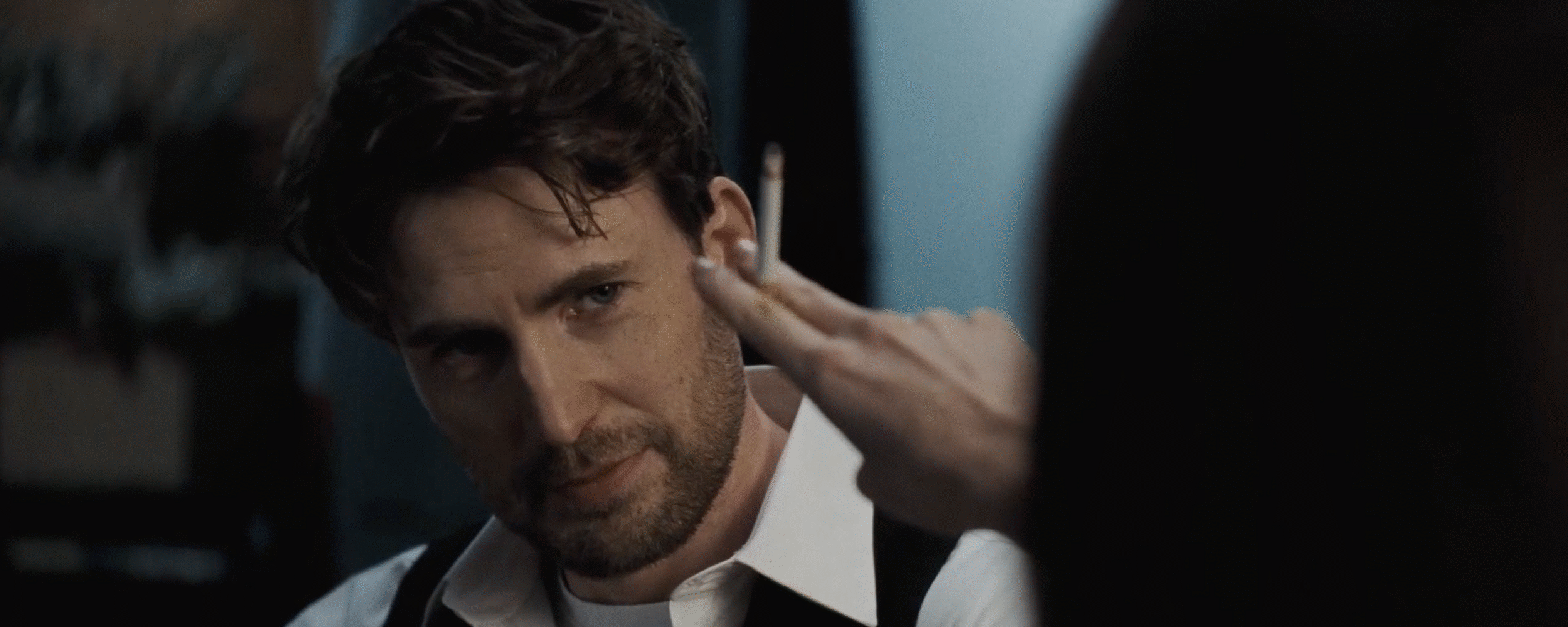
    This creates the main plot for the film, and in no way new concept for a romcom. It is Lucy who has to choose from the affection of Pascal, or as your later introduced Chris Evan’s character John. It is the usual rich against poor where you know that money may allude her at first but by the end it will be about something deeper. This is also where the film starts to allude me, where early on it managed to be so engrossing. It uses this overused romcom trope, but also Evan’s character is in no way believable as a scrimping lower-class actor. He’s a pretty versatile actor but put him into a situation where he has to act like an every person then he just can’t manage it. It needed humanity and understanding – in the same way you feel Celine Song really knew and researched the matchmaker industry – but all that was given was a character that you feel has walked in from another romantic comedy. Its not all his fault, you do feel like the time all went into the establishing and character development part of the film, but when it came to an ending the plot wasn’t really there to be seen.

    The film has great elegance to it, regardless of this. Celine Song’s films flow so harmoniously where you stay engrossed in their world. It is great she’s managed to keep the same group of people around her to make the movie as without them, it couldn’t recreate this a second time around. The shift from a smaller production to a bigger one like this is always going to bring changes. Including mainstream characters like Johnson and Pescal bring the allure of a mainstream film but also a dynamic needed that powers most of the successful parts of the film. Its not Chris Evans fault at all, but when his role becomes more prominent, the ending does fall flat on its face.

    Average Rating
    No rating yet
  • Together

    Together


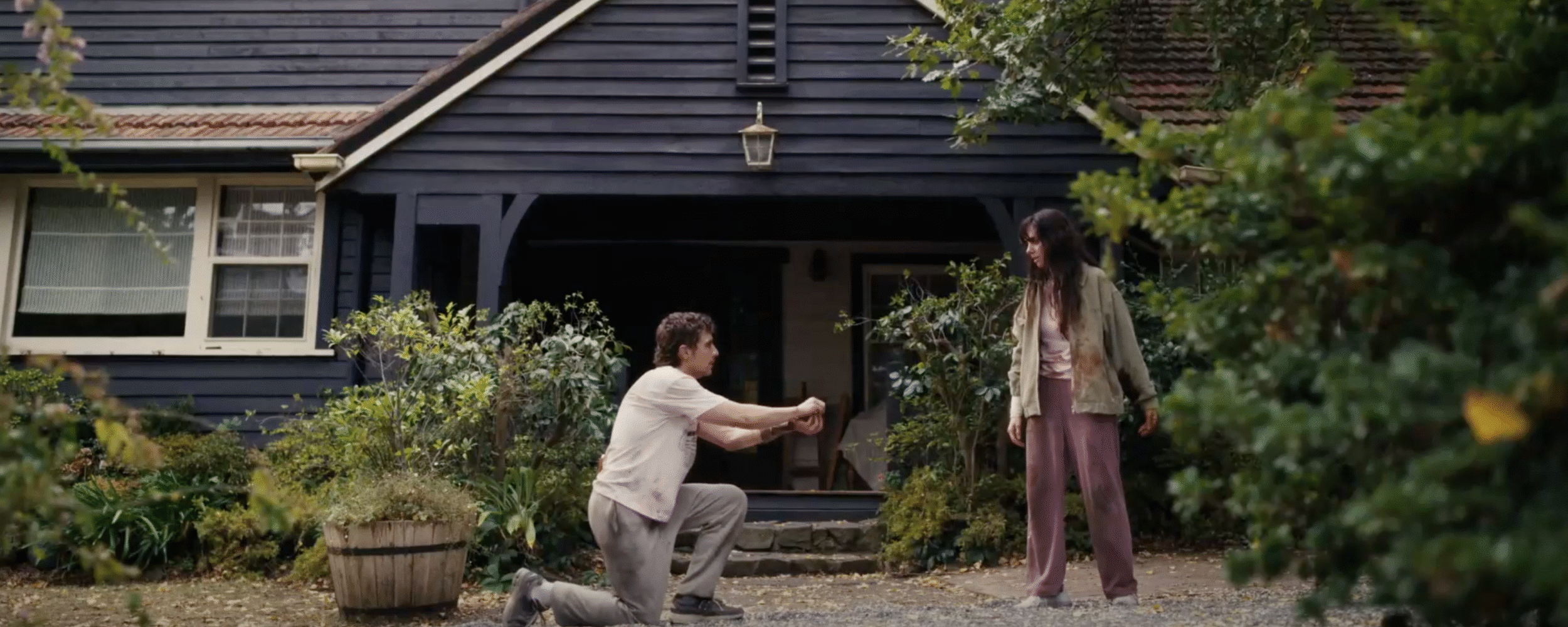
    The story follows Tim (Dave Franco) and Millie (Alison Brie) who decide to move to the country together. Alarm bells start to ring in any film when a couple decides to move to the countryside, even if you haven’t seen the trailers. There are of course the early cues to the narrative that is coming, when she says “everyone finds it cute were matching” you can guess it’ll be a horror that dissects the allegorical features in the nature of relationships.

    Along with the narrative, the script does also feel very route one. Describing having a Spice Girls album as having “spice on vinyl” really grinded the most with me. It creates a gap between us and them that has to be avoided to have the emotional connection needed in any horror film that when things start going wrong your on their side. Instead your not, and at that you really don’t care what happens to them. It reminded me a lot of the film Men (Garland, 2022) where the body horror increased in intensity throughout the film. However, Men succeeded better because it created intrigue through and balanced the line between overplaying the situation their in and keeping it close to reality.

    Of course what you want for a thriller is something that entertains you for the 90 minutes (hopefully no longer) that it was on screen. This film did manage to do that, but I’m sure I wont remember it for long. With it being more of a body horror, when the jump scares came they worked well as you weren’t really expecting them. The visuals are done very well, but this is to be expected from a director coming from a visual effect artist background and making their feature length film debut. It created a good spectacle for those watching, but at the same time struggled with the main foundations of narrative.

    Average Rating
    No rating yet