If I was to describe the 28 days later films as a franchise, I believe this undermines the philosophy and core values the films stand for. They act more as a film series in themselves, for me reminding me of the philosophy in a neo-noir series like The Whistler or the Before trilogy. When they are described as a franchise it brings in the financial element into the equation, which I’m sure is an important part of the success to the films but what I feel is more important is there allowed there own freedom away from the industry hierarchy. What you get isn’t films derivative of a genre but more the genre is the product of the environment around them.
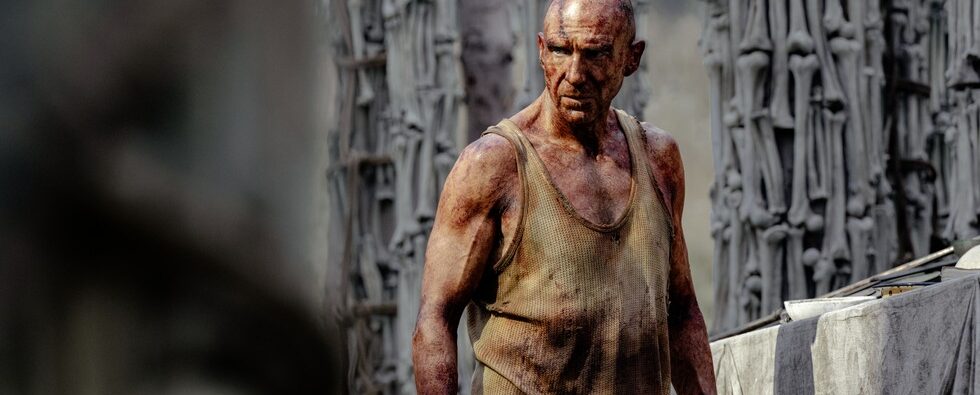
The first 28 days later (Boyle,2002) is more of a basic thriller, it concerns the intense emotions based on discovering a new and fatal world in which everyone has woken up to. 28 years later (Boyle, 2025) that came out less than a year ago, has more ability to breathe and become something different in itself as this world isn’t new to anyone there. It still has the thriller element as we are situated from the perspective of a child (Alfie Williams) who starts just as innocent to the world as the characters were and audience were in the first film. However, the film deals more with philosophical ideas around death than anything else. I believe this is just as much a by product of the director/writer, Danny Boyle and Alex Garland, aging and his own feelings as it is with the characters who deal with death face to face in each of there living days.
Yet the latest film still becomes something totally different in itself. I laughed more at this film than I have done with any for a long while, but it of course balances this with heavier plot points. It is so important that it needs to pull this off as the story line concerns the young character in Spike getting coerced into a group of other survivors whose leader believes his Dad is the devil. Just like the film itself, underneath the joviality and destruction that comes from the world of pain that they find themselves in there is still a glimmer of hope for a better future that appears every now and then.
This is where the film is at its best is that it gets the little things in the world of the 28 days series so right. We connect with them on a human level but at the same time become detached as they still live in the present day but don’t have the same life experiences as we do over the last 28 years. It’s like a weird mutation of watching a film from back in the early 2000s where we can connect with films back then as we went through that. Yet when humanities differ in such a way from ours and theirs it means we can only connect with them on a human level. Of course, cultural elements from the early 2000s are important to the film and again our connection to them but this is still surface level stuff. What I find more fascinating is the leader of the gang in Sir Lord Jimmy Crystal (Jack O’Connell) and how he believes his Dad is the devil. This is both a by product of him losing his Dad at an early age and not knowing him. More importantly it is interesting how the film highlights the loss of youth that the uprising brings to young people at the time that it stated. Lord Jimmy would’ve been a toddler at the time and therefore with no family, he couldn’t be told what was right in the world from anyone. When he sees death and murder every day then who can blame him from becoming this devil worshipping child.